
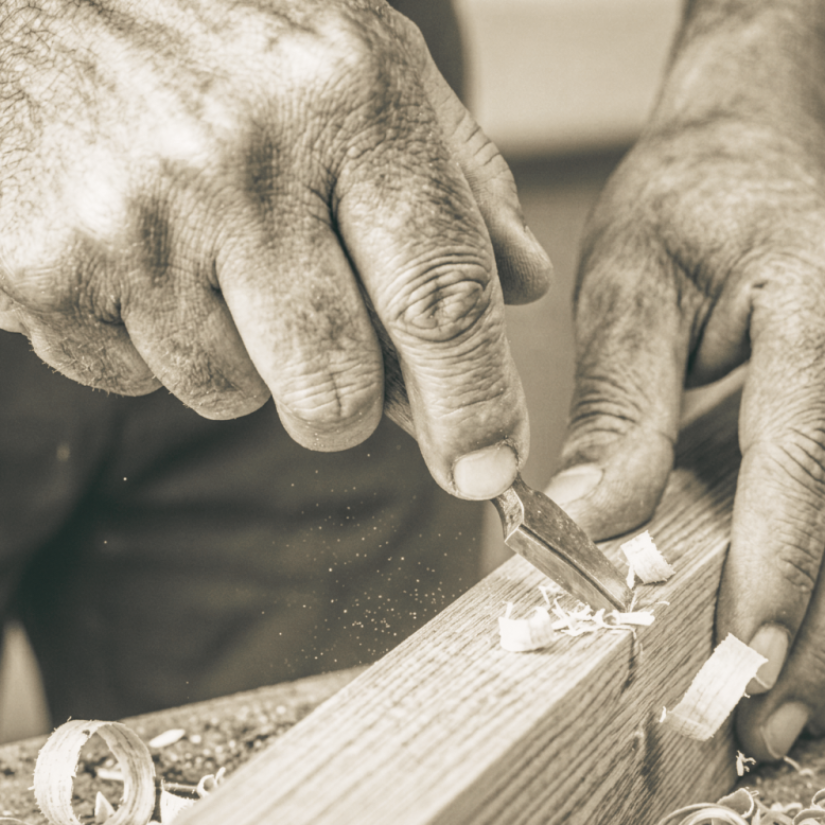
For manual workers the hand can be often injured in the course of demanding work. The hand contains many small, intricate structures, which means damage can be significant even for what outwardly seems a small injury. Lacerations, crush injuries and fractures are common in workplaces, particularly where machinery, tools, blades and moving equipment are involved. I assess these injuries frequently, secondary to workplace incidents across Queensland and further afield.
With appropriate treatment, many heal without significant lasting effect, but others follow very complex treatment pathways, including surgery and difficult rehabilitation. There can be ongoing pain, stiffness and loss of function. There can be neurological damage and loss of range of motion. For workers whose hands are integral to their trade or craft the impact can be very significant.
For the solicitor or insurer, it is difficult to appreciate the true extent of the impairment or disability from the file alone, or from the terminology surrounding the injury and its mechanism. Something as simple as a crush injury to a fingertip can be minor, or severely limiting to a worker over the long term. Understanding how these injuries behave and how seemingly simple injuries can become complex, is central to the briefing and accounts for much of the complexity of reporting. A clear understanding of the surgery that occurred, the surgical options moving forward and the composition of the injury influences not just how the impairment is assessed, but when it is appropriate to assess it.
Hand Trauma Across Central Queensland Industries
As an example, Rockhampton and its surrounds support a diverse regional economy, including mining, agriculture, construction, transport, manufacturing and meat processing. Many roles across these sectors involve exactly the risk environment described above: manual handling, powered equipment, tools, sharp blades and heavy objects. All of these pose a very real risk of hand injury, and when an injury does occur it can be significant. A laceration from the sharp edge of sheet metal can injure tendons, nerves and vascular structures within seconds. Crush injuries can involve soft tissue damage as well as fractures, requiring surgery and extensive rehabilitation.
Queensland mining safety data continues to identify serious hand injuries as an important workplace safety issue, frequently linked to work around machinery and tools. The mechanism is as variable as the injury itself and must be assessed on its own merits. The occurrence of these injuries in regional areas is common and it is why access to specialist surgery, treatment and impairment assessment close to home matters.
Why an Independent Medical Examination is Requested
An independent medical examination (IME) provides an expert, objective medical opinion for legal and insurance purposes. The purpose is not to deliver care or advice, but to answer the specific questions posed by the referring insurer or legal team. Those questions may concern the diagnosis, the consistency of the mechanism, current symptoms, physical assessment, ongoing work capacity, future treatment options and overall prognosis. If the injury has reached maximum medical improvement, the degree of permanent impairment can be assessed. The opinion draws together all the available evidence, from the claimant themselves, the medical records, a physical examination and the circumstances surrounding the matter, into a single, expert and defensible report.
Assessing Permanent Impairment
Not every hand injury results in permanent impairment, although most will carry some minor degree of it. There is, of course, a difference between impairment and disability. Even where there is measurable impairment, a worker may return to their pre-injury role and hours without difficulty. Where an impairment assessment is required, it can only be performed once the condition is stable and stationary, or at maximum medical improvement. This means all available and appropriate medical and therapeutic care has been provided and the condition is unlikely to change substantially. Assessing too early risks overstating the impairment, or severing the therapeutic relationship before appropriate care has been delivered; assessing too late can mean delays in the claim process and its resolution.
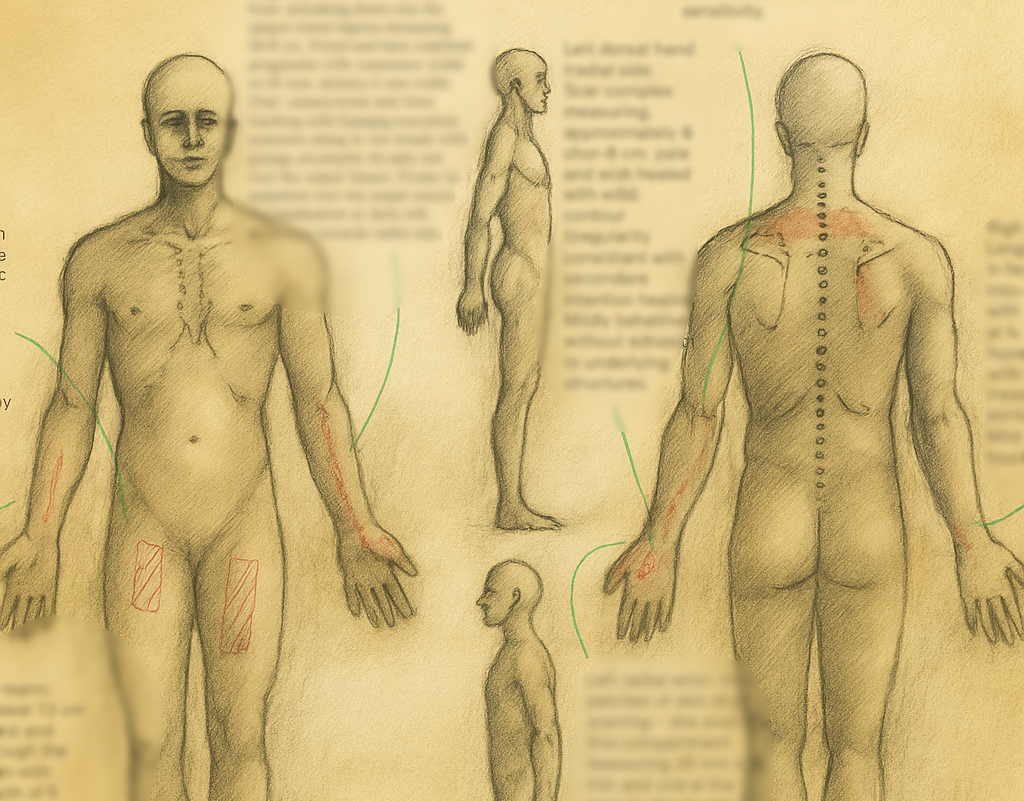
Impairment assessment is structured and assesses, through the relevant tools, the objective consequences of the injury, which may include loss of range of motion, peripheral nerve injury, vascular injury, amputation, or scarring and disfigurement. There is often some comment on broader functional loss and disability; however, this is not part of the measurable impairment assessment. Assessment is performed using the American Medical Association Guides to the Evaluation of Permanent Impairment (Fifth Edition) and GEPI, or the relevant local tools.
A point worth emphasising is this. Grip strength is specifically discouraged in AMA methodology in the presence of pain or loss of range of motion. Grip strength can be used on rare occasions, but for the most part there are more appropriate and reliable methods. Where there is pain, nerve injury or loss of range of motion, the loss of strength is already taken into account through the process of the Guides and ought not to be added on top. Strength testing is unreliable and largely subjective, and is used only in the rare instances an assessor determines it appropriate.
What This Means for Legal and Claims Professionals
For hand lacerations and fractures, a well-timed IME can identify early whether an injury is consistent with the claimed mechanism and whether the treatment pathway is accurate and on track. When appropriate, it can also move the matter forward with a timely impairment assessment. These assessments are built on objective examination, measurement and reasoning designed to withstand scrutiny and be acceptable to both sides of any legal argument.
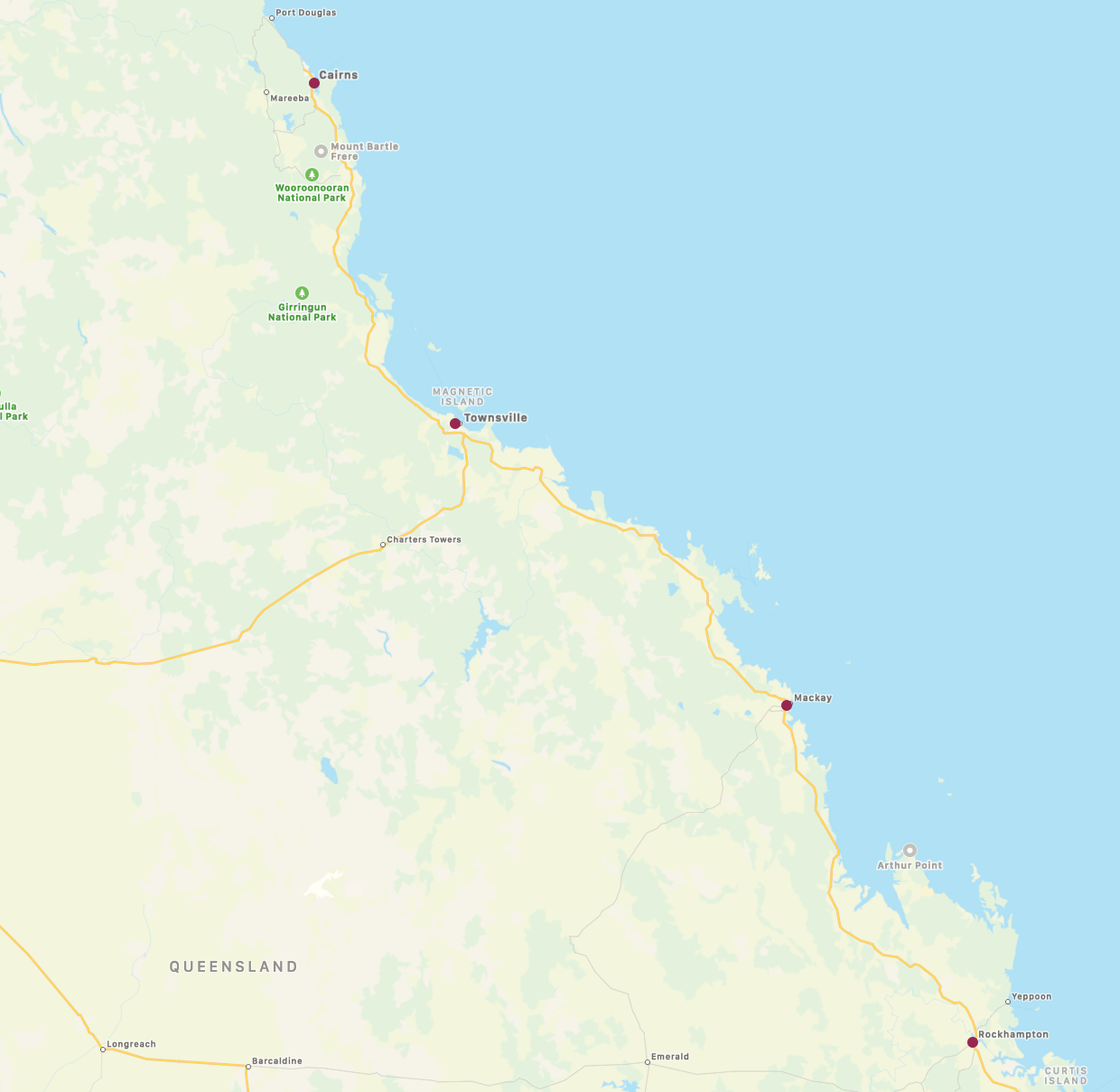
An ideal report is one that is acceptable to both sides and ought not to differ in any large way between them. Instructing the assessment at the right stage and the right time keeps claim duration reasonable, ensures a fair assessment takes place, ensures all appropriate care is given and produces an impairment figure that is accurate and reproducible. For claims arising in regional Queensland, such as Mackay, Rockhampton and other centres, local access to a specialist hand surgeon performing the impairment examination reduces delay, stress and travel burden on injured workers.
Key Takeaway
Hand lacerations and fractures are common in the manual industries of Central Queensland and its regional centres. An independent medical examination, appropriately timed, can guide both the treatment and the claim pathway, and provide quantum assessment at the time of maximum medical improvement, using the appropriate guides and tools.
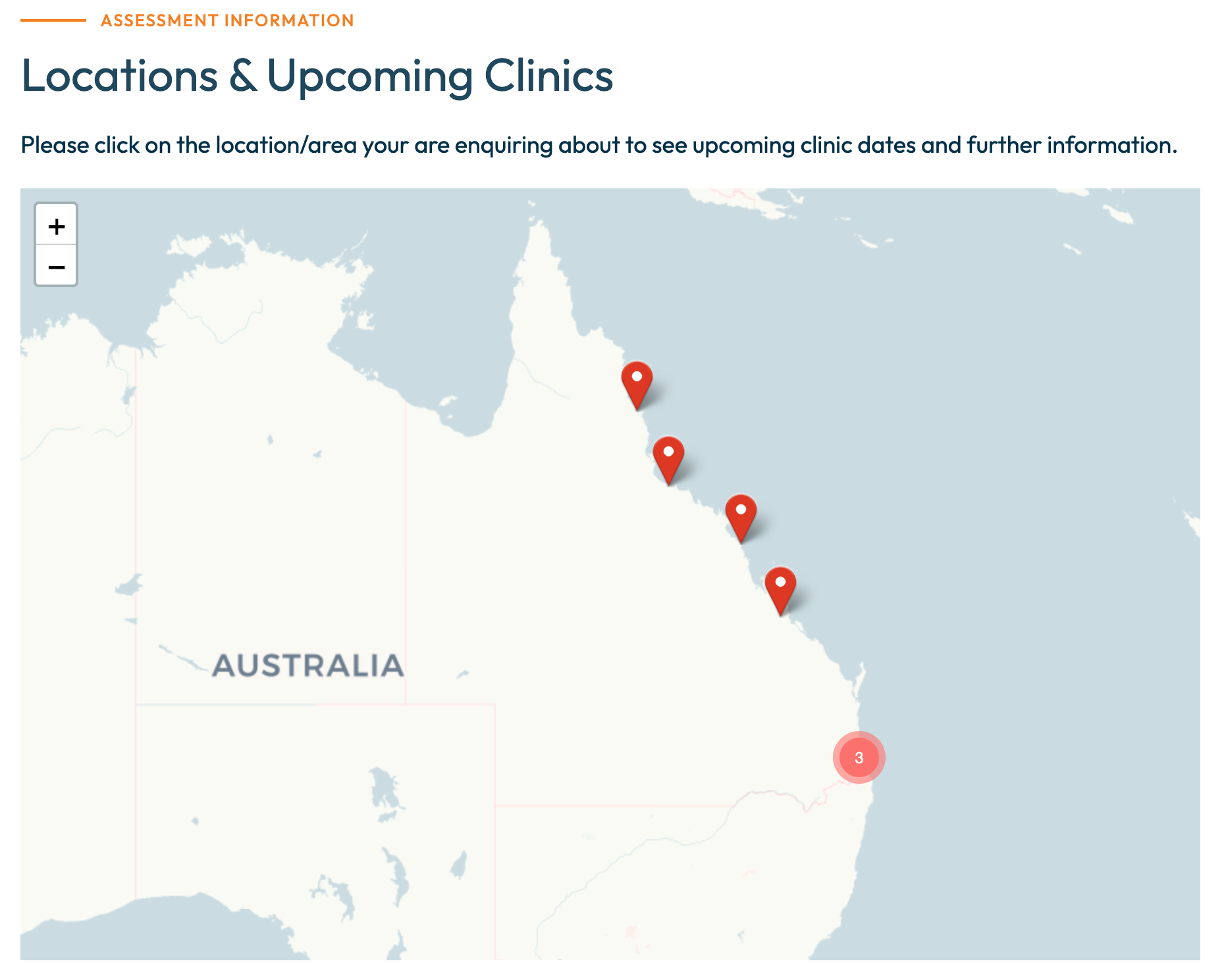
Dr Mackay conducts hand, scarring and disfigurement assessments in Rockhampton, Mackay, Townsville and Cairns, as well as Brisbane, the Gold Coast and North Lakes. To discuss a matter or request an assessment, please contact the rooms on 07 3834 7011 or office@cameronmackay.com.
Related reading: Permanent impairment assessment of hand injuries · Functional stability after finger amputation